

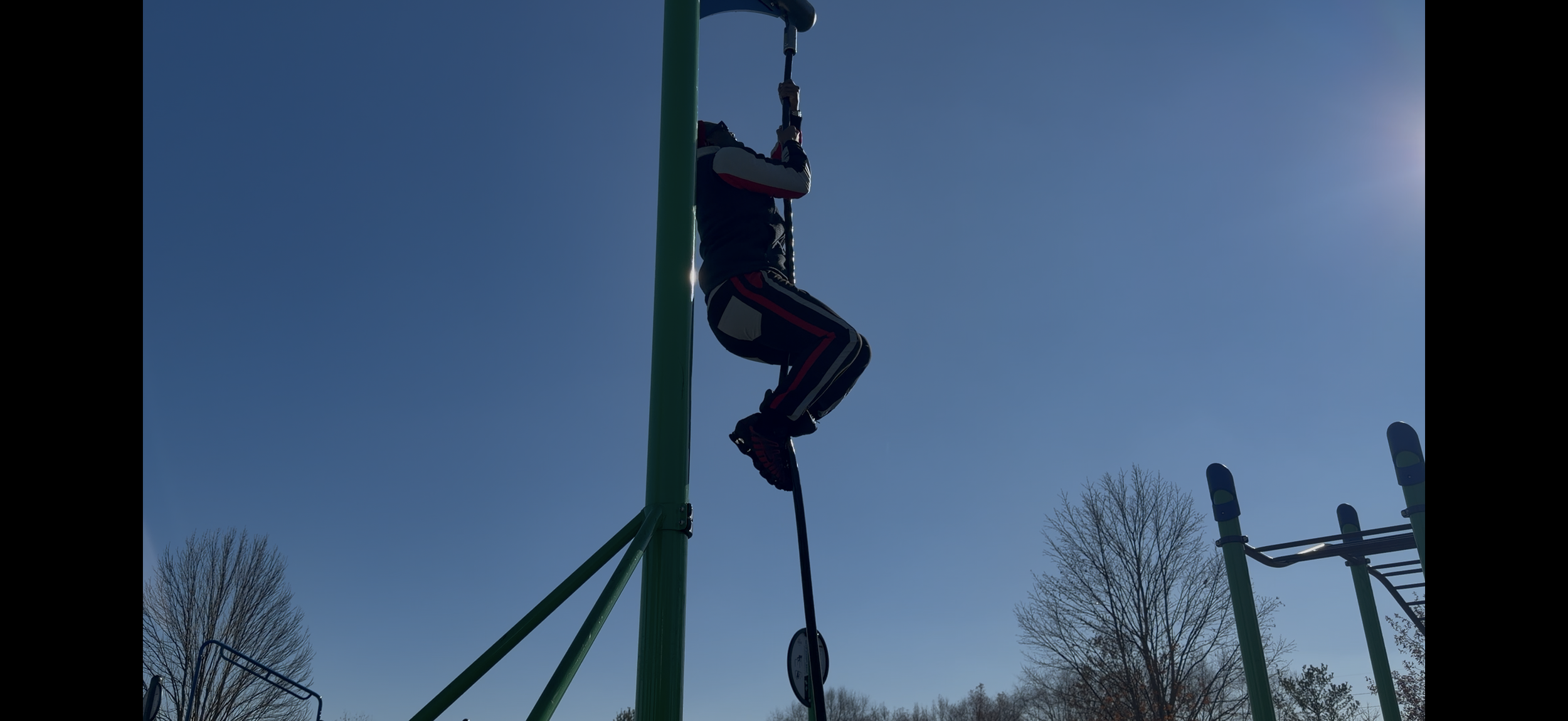


Why I Do This Work
I didn’t lose confidence in my body because I stopped training.
I lost it because I stopped trusting what my body would do when I asked it to move.
At one point in my life, I trusted my body more while recovering from an ACL injury than I did years later when I was leaner, stronger, and in better cardio shape.
That disconnect stuck with me.
Like a lot of adults, I didn’t stop being disciplined.
I stopped feeling predictable.
Small restrictions showed up.
Certain movements felt risky.
And even though I was still training, my body felt like something I had to manage instead of trust.
That’s when I realized most fitness programs miss the real problem.
People don’t quit because they’re lazy.
They quit because they don’t feel safe in their own body anymore.
Body Trust Training is built around that reality.
My focus isn’t motivation, aesthetics, or pushing people harder.
It’s rebuilding confidence through repeatable movement, strength fundamentals, and controlled exposure to the things people quietly avoid.
The goal isn’t perfection.
It’s to move through life without hesitation, fear, or constant second-guessing.
That’s the work I care about.
And that’s the system I’m building.

Food equals training
You cannot out-train late-night takeout; fuel counts.
Consistency over intensity
Twenty honest minutes every day beats one heroic session once a month.
Lifestyle over look
Abs and arms arrive after the habits.
FAQs
*
FAQs *
-
No.
Weight loss can happen as a byproduct, but it is not the focus.Body Trust Training is designed to rebuild confidence in how your body moves, loads, and adapts. Most people stop making progress because they don’t trust their body enough to train consistently. That’s the problem we solve first.
-
Both, but especially people who have trained before.
This program is ideal for adults who used to be active, athletic, or consistent, but now feel hesitant, stiff, or cautious due to age, old injuries, or flare-ups.
If you’ve ever thought, “I should be able to do this, but I don’t trust it,” you’re in the right place.
-
That’s exactly who this is built for.
The system uses graded exposure, strength fundamentals, and controlled progressions so movement becomes predictable again. Nothing is forced, rushed, or based on pushing through pain.
Pain is treated as information, not a failure.
-
No.
The program is built specifically without relying on motivation.Everything is structured around time certainty, repeatability, and systems that still work on low-energy weeks. Consistency matters more than intensity.
-
Three structured training days per week, plus a daily minimum movement rule.
If you can only move for 10–20 minutes on some days, that still counts. The goal is continuity, not perfection.
-
Workouts focus on:
• rebuilding confidence in basic movement patterns
• strength that makes the body feel safer, not fragile
• controlled exposure to avoided movements
• conditioning that feels capable, not punishingThis is not a boot camp and not a rehab clinic.
It’s structured, adult training. -
The goal is the opposite.
This program avoids aggressive spikes in intensity and focuses on restoring trust through controlled movement. Many people experience reduced pain simply by removing fear and avoidance patterns.
That said, pain is individual. You are always encouraged to move within your tolerance.
-
No.
Body Trust Training is not medical treatment or rehabilitation.
It’s a fitness-based system informed by modern movement and confidence principles, designed for people who have been cleared to exercise but still feel hesitant. -
Very little.
Most of the program can be done with:
• dumbbells or kettlebells
• bands
• a bench or box
• open spaceGym or home setups both work.
-
Most programs focus on what to do.
This focuses on why people stop doing it.
By rebuilding trust first, fitness becomes sustainable instead of something you keep restarting.
-
Start by learning more about the Body Trust Foundations program and deciding if the approach fits where you are right now.
You don’t need to be ready.
You just need to be willing to rebuild trust.